Monthly Archives: March 2026

Aluminium Battens in Contemporary Architectural Systems

Published by:

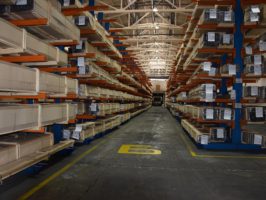
storage warehouse

Material selection plays a defining role in modern construction, particularly where durability, visual consistency and low maintenance are required. Aluminium battens have become a widely specified solution across commercial, residential and public projects, offering a streamlined approach to façade treatments, ceilings and screening systems. Their adaptability allows designers, builders and developers to achieve consistent finishes while meeting performance expectations across a range of environments.

Material Efficiency and Structural Reliability

Aluminium offers a balance between strength and weight, making it suitable for both new builds and retrofit applications. Battens manufactured from aluminium maintain structural integrity without adding unnecessary load to supporting frameworks. This is particularly relevant in façade systems and overhead applications, where weight considerations directly influence installation methods and long-term performance.

Corrosion resistance is another key factor. Unlike timber or untreated steel, aluminium performs reliably in coastal, urban and high-moisture environments without significant degradation. This reduces lifecycle costs and ensures that visual outcomes remain consistent over time. Powder-coated or anodised finishes further enhance protection, allowing projects to meet both aesthetic and compliance requirements.

Application Across Façade and Cladding Systems

In façade design, batten systems are often used to create depth, rhythm and shading. Vertical and horizontal installations allow architects to control light penetration while maintaining airflow and visibility where required. This makes aluminium battens particularly effective in commercial buildings, multi-residential developments and public infrastructure where both form and function must be aligned.

They can be integrated with existing cladding systems or installed as standalone features, providing flexibility during both design and construction stages. Spacing, profile size and finish selection can be adjusted to meet project-specific requirements, enabling tailored outcomes without the need for complex fabrication processes.

From a construction perspective, modular batten systems streamline installation. Pre-engineered fixing methods reduce on-site adjustments, improving efficiency and ensuring consistent alignment across large surface areas. This contributes to faster project timelines and more predictable labour costs.

Ceiling Systems and Interior Integration

Beyond external applications, aluminium battens are widely used in ceiling systems to create clean, linear finishes. In commercial interiors, they support acoustic treatments while maintaining an open, modern aesthetic. The spacing between battens allows for integration of lighting, ventilation and fire services without compromising the overall design intent.

In retail and hospitality environments, ceiling battens contribute to brand presentation by creating structured visual lines that guide movement and define zones within a space. Their durability also supports high-traffic areas where ongoing maintenance must be minimised.

The consistency of aluminium as a material ensures uniformity across large installations. Unlike natural materials that may vary in tone or texture, aluminium battens provide a controlled finish, which is essential for projects requiring precise visual outcomes.
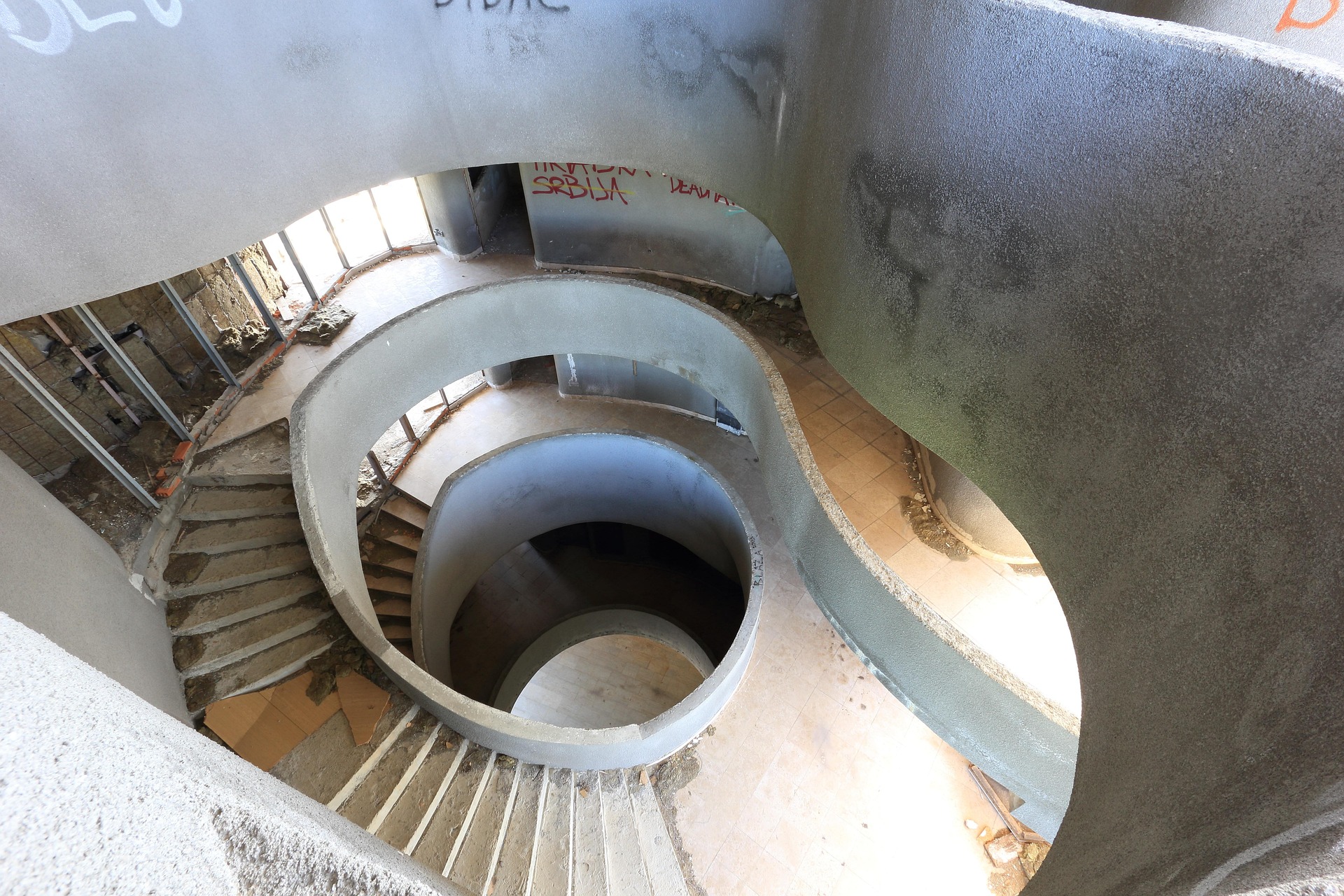
Building architecture

Screening, Privacy and Environmental Control

Screening applications represent another core use case. Batten systems are frequently installed as external screens for privacy, sun control and ventilation. In residential developments, they provide a practical solution for balconies, windows and boundary treatments, offering privacy without fully enclosing a space.

In commercial settings, screening systems can reduce solar gain, contributing to improved energy efficiency within buildings. By controlling direct sunlight, aluminium battens assist in maintaining internal temperature stability, which can reduce reliance on mechanical cooling systems.

Their open-profile design allows airflow to be maintained, preventing issues associated with fully enclosed structures. This makes them suitable for car parks, plant enclosures and service areas where ventilation is essential.

Design Flexibility and Customisation

One of the primary advantages of aluminium batten systems is their design flexibility. Profiles can be manufactured in various sizes, shapes and finishes to suit specific architectural requirements. This allows designers to create unique visual outcomes while maintaining a consistent material palette across a project.

Colour selection is another important factor. Powder coating enables a wide range of finishes, from neutral tones to bold architectural colours. This flexibility supports branding requirements in commercial projects and allows residential developments to align with broader design themes.

Timber-look finishes are also commonly specified, providing the appearance of natural materials without associated maintenance challenges. This approach is particularly useful in environments where timber may not perform well over time due to exposure or wear.

Compliance and Installation Considerations

Compliance with building standards is a critical aspect of any construction material. Aluminium battens can be manufactured to meet relevant Australian standards, including fire performance and structural requirements. This ensures suitability across a range of applications, from low-rise residential builds to large-scale commercial developments.

Installation systems are typically designed to support straightforward assembly, with concealed fixings and adjustable brackets allowing for precise alignment. This reduces the risk of installation errors and ensures that finished outcomes meet design specifications.

Maintenance requirements are minimal compared to alternative materials. Routine cleaning is generally sufficient to maintain appearance, while protective coatings reduce the need for ongoing treatment or repair.

Long-Term Value in Construction Projects

From a project management perspective, aluminium batten systems offer long-term value through durability, reduced maintenance and consistent performance. Their resistance to environmental factors minimises the need for replacement or refurbishment, which can significantly reduce lifecycle costs.

They also support efficient project delivery. Standardised components and modular systems allow for predictable procurement and installation timelines, reducing delays and improving coordination between trades.

For developers and builders, this translates into a reliable material choice that aligns with both budget and performance expectations. For designers, it provides a versatile solution capable of achieving a wide range of architectural outcomes.

Durable Materials for Landscaping Projects

Published by:

construction site

In landscaping and small-scale construction, selecting the correct base materials determines whether a project performs reliably over time. Structural components such as reinforcing steel provide internal strength for concrete installations, while decorative finishes like tuscan toppings contribute to surface appearance and usability. Beneath many paving and masonry applications, brick sand plays a critical role in bedding stability, drainage, and consistent alignment. When these materials are sourced and specified correctly, contractors can deliver projects that balance structural integrity, visual appeal, and long-term durability.

Structural Integrity in Landscape Construction

Modern landscaping frequently incorporates structural elements that require engineered reinforcement. Retaining walls, concrete footings, garden edging systems, and paved entertaining areas must withstand movement caused by soil pressure, moisture variation, and everyday use.

Structural reinforcement within concrete applications distributes load evenly throughout the slab or footing. Without internal reinforcement, concrete remains strong under compression but relatively weak when exposed to tension or movement. Reinforcement systems counteract this limitation by improving the material’s resistance to cracking and structural fatigue.

Contractors working on residential landscapes often integrate reinforcement into pathways, driveway edges, and small retaining structures. By embedding structural reinforcement within the concrete matrix, builders reduce the risk of premature cracking and extend the service life of outdoor features.

For projects involving slopes or uneven ground, reinforced concrete elements provide additional stability. Garden stairs, planter walls, and boundary retaining systems rely on reinforcement to maintain structural integrity even when surrounding soil shifts seasonally.

Decorative Surface Finishes for Outdoor Spaces

Surface finishes influence both the aesthetic outcome and functional performance of outdoor areas. Decorative toppings applied to concrete surfaces can transform standard structural elements into visually refined features suitable for residential gardens, patios, and commercial landscapes.

Architectural finishes allow designers to replicate natural stone textures while maintaining the durability of concrete substrates. This approach delivers a balance between appearance and practicality, especially in high-traffic areas where natural materials may require extensive maintenance.

Decorative coatings also provide surface protection. They improve resistance to weather exposure, UV degradation, and general wear, which is particularly important in outdoor environments exposed to changing Australian conditions.

Outdoor entertaining areas benefit significantly from textured finishes. These surfaces reduce slip risk while enhancing the visual character of patios, pool surrounds, and courtyard zones. Proper application techniques ensure the coating bonds effectively with the underlying structure, preventing peeling or surface deterioration.

In commercial landscaping projects, decorative toppings are often selected to align with architectural themes or council design guidelines. Public walkways, urban plazas, and hospitality venues rely on consistent finishes to maintain both functionality and visual cohesion.

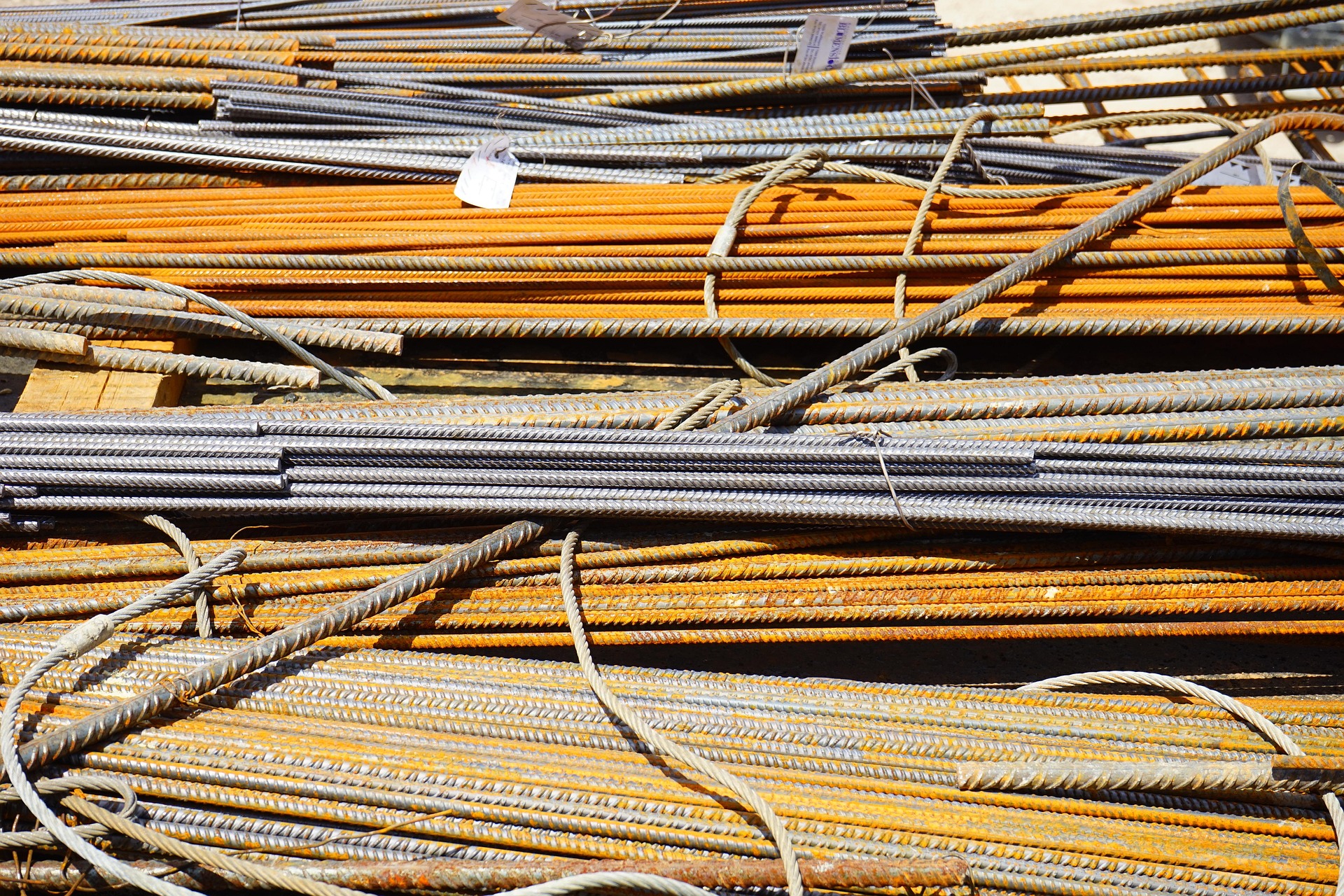
iron bars

Bedding Layers and Paving Stability

Paving installations rely heavily on the quality of the bedding layer beneath each unit. The bedding layer provides a level surface, distributes weight evenly, and supports minor adjustments during installation.

Fine bedding aggregates are widely used in brick paving, stone pathways, and patio construction. When correctly compacted and screeded, the bedding layer allows pavers to sit evenly while maintaining drainage beneath the surface.

An effective bedding system helps prevent common issues such as uneven settlement, rocking pavers, or water pooling. These problems often occur when unsuitable base materials are used or when the bedding layer lacks consistent grading.

Installers typically prepare the base by compacting a stable sub-base layer before applying the bedding material. This staged approach ensures the final paving surface remains level while allowing slight flexibility to absorb movement caused by environmental conditions.

Drainage also plays a role in bedding performance. Well-graded materials allow water to move through the paving system rather than accumulating beneath the surface. Proper drainage reduces long-term maintenance requirements and helps preserve the integrity of paved areas.

Material Consistency and Supply Reliability

Construction efficiency depends heavily on consistent material quality and dependable supply chains. Contractors rely on suppliers who maintain uniform grading standards, predictable stock levels, and clear product specifications.

When materials vary significantly between deliveries, installation accuracy becomes difficult to maintain. Inconsistent grading or moisture content can affect compaction, surface alignment, and structural performance.

Reliable supply partners help builders maintain project timelines by providing consistent materials across multiple stages of construction. This reliability becomes particularly important in large landscaping projects where foundations, paving, and decorative surfaces must be completed sequentially.

Clear product documentation also supports compliance with local building requirements. Contractors must ensure that materials used in structural or load-bearing applications meet relevant standards and are suitable for the intended environment.

For developers and commercial contractors, reliable sourcing reduces operational risk. Predictable delivery schedules enable teams to coordinate excavation, base preparation, reinforcement installation, and finishing work without unnecessary delays.

Integrating Structural and Decorative Elements

Effective landscape construction involves integrating structural performance with visual design. Outdoor environments are expected to withstand heavy use while contributing to the overall architectural character of a property.

Structural reinforcement ensures that foundational elements remain stable, while carefully selected surface finishes enhance usability and appearance. Beneath these visible components, well-prepared bedding layers maintain alignment and drainage.

This integrated approach is particularly important in modern residential developments where outdoor areas function as extensions of indoor living spaces. Entertaining zones, pathways, garden terraces, and pool surrounds must perform structurally while maintaining a cohesive design aesthetic.

Contractors who understand the interaction between structural materials and surface treatments are better positioned to deliver reliable results. Coordinated planning allows each layer of the installation—from the base to the finish—to contribute to the durability of the final structure.

Long-Term Performance in Outdoor Environments

Outdoor construction materials face constant environmental exposure. Sunlight, rainfall, temperature fluctuations, and soil movement all influence the longevity of landscaping structures.

Selecting materials that are suited to these conditions significantly improves long-term performance. Reinforced concrete installations resist cracking, decorative coatings protect surfaces from wear, and properly graded bedding layers maintain stable paving systems.

Maintenance requirements also depend on the quality of the original installation. Projects built with appropriate structural support and well-prepared base materials typically require fewer repairs and adjustments over time.

For property owners, investing in correct material selection at the construction stage helps avoid costly remedial work later. Landscapes built on strong foundations remain functional and visually appealing for many years, even in demanding outdoor environments.

By combining structural reinforcement, decorative finishing systems, and carefully prepared base layers, landscaping professionals can deliver installations that perform reliably while maintaining high visual standards.